Planning a Home Renovation in Surrey: The Mistakes Most Homeowners Don’t See Coming
7 min read
If you’ve ever stood in your kitchen and thought, “Right, this all needs to go,” you’re not alone. Across Surrey, homeowners are constantly looking at ways to improve, extend, or completely rethink their space. On paper, it feels exciting — a fresh start, more room, better flow. Simple enough, right?
Here’s the thing though… most projects don’t run into trouble because of the build itself. It’s what happens before anything even starts that tends to cause the biggest headaches. Expectations, planning gaps, rushed decisions — they all creep in early and quietly shape how the entire project plays out.
From working alongside builders in Surrey, one pattern shows up again and again: the small oversights at the beginning are usually the ones people wish they’d understood properly from day one. And that’s exactly what we’re getting into here.
It Usually Starts with Underestimating the Process
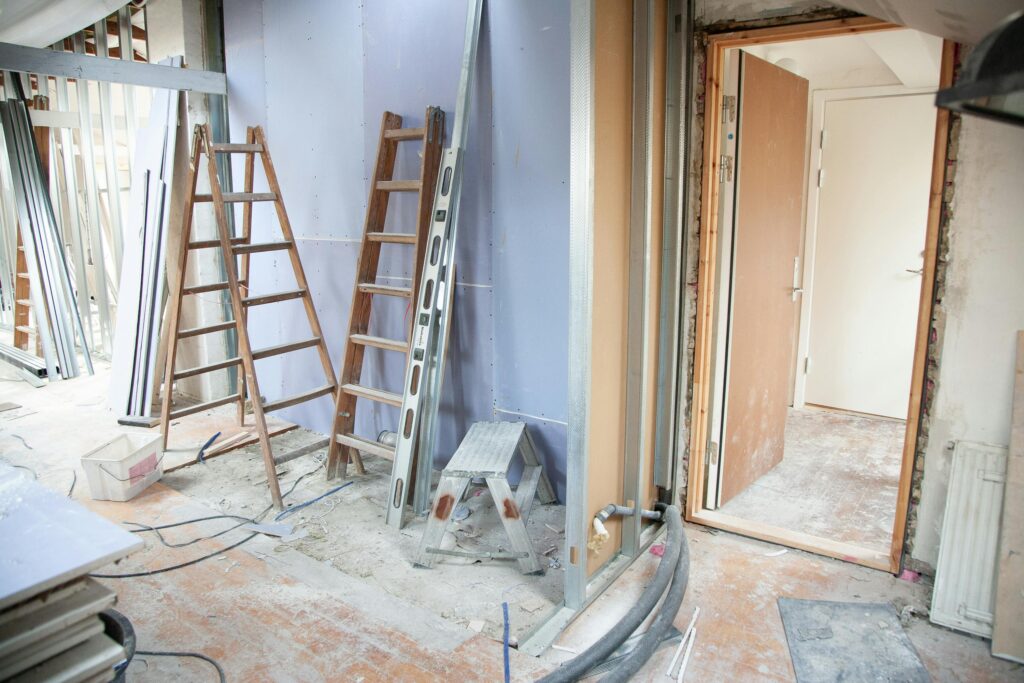
Let’s be honest — most people don’t deliberately cut corners. It’s just that the full scope of a renovation or extension isn’t always obvious until you’re in it. What starts as “we’ll knock through this wall and add a bit of space” quickly becomes structural considerations, permissions, timelines, and a long list of moving parts.
The problem is, many homeowners go in assuming things will naturally fall into place as the work progresses. A kind of “we’ll figure it out as we go” approach. It sounds flexible, but in reality, it often leads to delays, compromises, and unnecessary stress.
Planning Isn’t Just Paperwork — It Shapes Everything
Planning gets a reputation for being the boring bit. Drawings, approvals, back-and-forth decisions… it’s easy to want to rush through it just to get started. But this stage quietly dictates everything that follows.
Every design choice has a knock-on effect — from cost and materials to how practical the space actually feels once it’s finished. When planning is rushed, those decisions tend to resurface later, usually at the worst possible time, when changes are more expensive and harder to implement
Budget Expectations vs Reality
Money conversations are always a bit uncomfortable, but avoiding them properly is where things start to drift. A lot of homeowners begin with a rough figure in mind, often based on quick online searches or what someone else paid years ago.
The reality? Projects rarely stay that simple. Costs are shaped by details — structural work, site access, material choices, and how smoothly everything runs once work begins. It’s not about overspending; it’s about understanding where the money actually goes.
Where Costs Quietly Add Up
It’s rarely one big expense that catches people off guard. It’s the smaller, less obvious ones that stack up over time. Labour, for example, is often underestimated compared to materials. Then there are mid-project changes — even small tweaks can ripple out and affect timelines and costs.
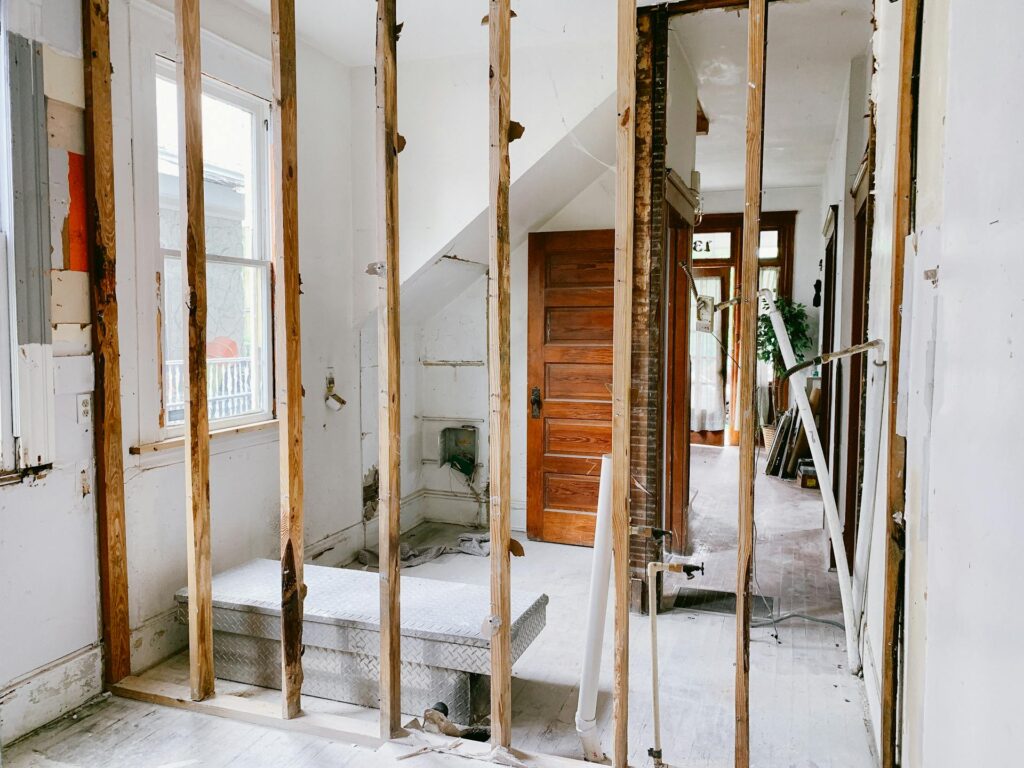
And sometimes, once work begins, you uncover things that simply couldn’t have been predicted. Older properties especially tend to hold a few surprises behind the walls. That’s not poor planning — it’s just the nature of the work.
Choosing the Wrong People (or Choosing Too Late)
This is a big one, and it’s more common than people think. Either homeowners rush into working with whoever is available, or they leave it too late and end up with limited options.
Choosing purely on price can also backfire. Lower quotes often mean corners have to be cut somewhere — whether that’s in time, materials, or attention to detail. On the flip side, bringing experienced professionals in early gives you clarity before anything is locked in.
What Experienced Teams Do Differently
There’s a noticeable difference when a project is handled by people who’ve done it all before. It’s not just about skill — it’s about foresight. Anticipating issues before they become problems. Setting realistic timelines. Communicating clearly so nothing feels uncertain.
That kind of structure doesn’t just make the process smoother — it often leads to a better end result without the unnecessary stress along the way.

The Big One — Skipping Proper Preparation
If there’s one area that gets overlooked the most, it’s preparation. And ironically, it’s also one of the biggest factors in how good the final result actually looks.
Preparation isn’t the flashy part. You don’t see it in the finished space. But it’s what ensures everything sits right, lasts longer, and performs the way it should.
What Good Preparation Actually Looks Like
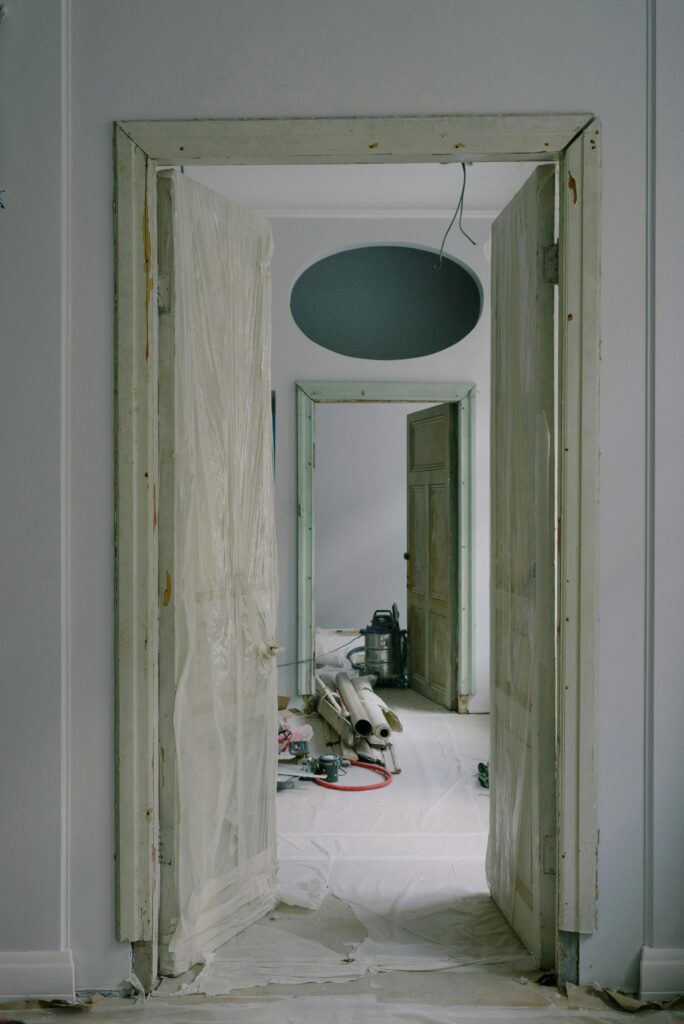
Proper preparation goes beyond just turning up and getting started. It’s about organising the site so everything runs efficiently, making sure materials are ready when needed, and setting up the space so work can be done cleanly and safely.
It also means thinking ahead — how people will move through the space, how different stages will overlap, and how to avoid unnecessary disruption. When this is done well, everything else tends to follow more naturally.
Expectation vs Reality: Living Through the Work
This is the part no one really talks about enough. Living through a renovation or extension can be challenging. There’s noise, dust, and a general sense of things being unsettled for a while.
Even with the best planning, there are moments where things shift slightly — timelines adjust, decisions need revisiting, or access becomes more limited than expected. That’s normal, but it can feel overwhelming if you’re not prepared for it.
How to Make the Process Smoother
A lot of it comes down to mindset and communication. Being flexible where needed, staying informed, and trusting the people doing the work all make a noticeable difference.
Clear communication early on tends to prevent most issues from escalating. When everyone’s aligned, the project feels far more manageable from start to finish.
Why Experience Changes Everything
There’s a reason experience carries so much weight in this kind of work. It’s not just about getting the job done — it’s about knowing how to avoid the common pitfalls before they even arise.
An experienced team doesn’t just react to problems. They plan around them, adjust where needed, and keep things moving in a way that feels controlled rather than chaotic. That difference is often what separates a stressful project from a well-run one.
If you’re looking to understand how that kind of approach works in practice, it’s worth exploring how experienced local specialists working across Surrey typically handle projects from start to finish.
Final Thoughts: Getting It Right from the Start
Most renovation issues don’t come from poor workmanship — they come from early decisions that didn’t get the time or attention they needed. That’s the honest truth.
When you take the time to plan properly, set realistic expectations, and work with people who understand the process inside out, everything else tends to fall into place far more smoothly. It’s not about making things perfect — it’s about avoiding the avoidable.
Thinking About Starting a Project?
If you’re at the early stages and just want a bit of clarity on what to expect, there’s no harm in having a conversation. Getting a clearer picture before anything begins can make all the difference later on.
Considering a similar project?
Request a Consultation