What Good Building Work Really Looks Like on a Surrey Project
7 min read
Plenty of homeowners in Surrey know what they want at the end of a project. A space that works better, looks right, and doesn’t start revealing problems six months later. The tricky bit is knowing how to judge quality before everything is finished and cleaned up. That’s where a lot of people get caught out.
On the surface, one job can look much like another. Fresh materials, straight lines, tidy finishes. But good results are rarely just about what you can see on day one. Whether someone is hiring building contractors in Woking or comparing teams elsewhere in Surrey, the real difference usually comes down to preparation, sequencing, communication, and the standard of decisions made before the visible work even starts.
That matters more than most people realise. A project can look neat while still hiding weak planning, rushed preparation, or poor coordination between trades. And unfortunately, those are the bits that tend to become expensive later.
Why “looks good at first glance” is not the same as quality
A lot of people judge a project the same way they judge a hotel room: first impression, clean finish, nice and tidy. Fair enough. The problem is that workmanship is not always obvious at a glance.
A wall may look straight, but what sits behind it matters. A new space may feel smart, but if the sequence of work was wrong or corners were cut during prep, the issues usually show up in time. Cracks, movement, poor fit, awkward finishes, delays in later stages, or things simply not lining up as they should.
That’s the frustrating part. Poor work does not always announce itself immediately. Sometimes it waits until the dust settles and the homeowner is left wondering why something never quite feels finished properly.
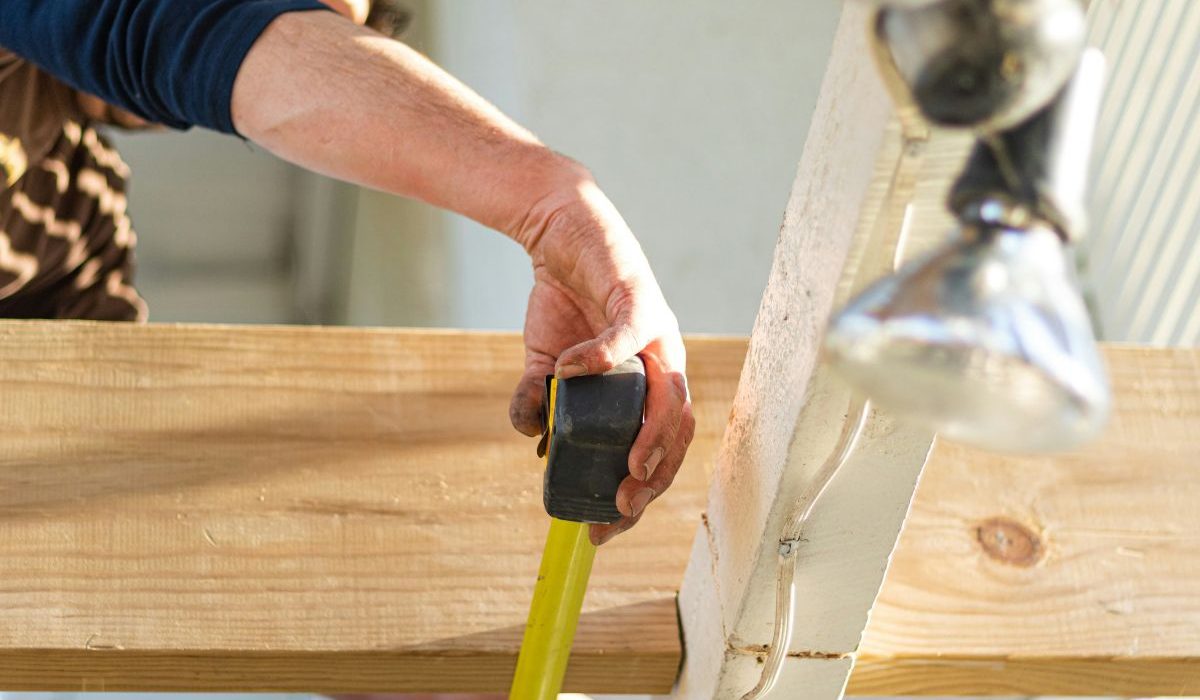
What actually affects the quality of a project?
If we’re being honest, materials get far too much credit on their own. Yes, decent materials matter. Of course they do. But they are not magic. Give excellent materials to a disorganised team and you can still end up with a headache.
What affects the quality of building work most is usually this:
Clear planning before work begins.
A sensible order of works.
Proper preparation of the site and surfaces.
Consistent standards across every stage, not just the final visible bits.
Good communication when conditions change, which they often do.
Preparation is the quiet hero here. Not glamorous. Not the part anyone shows off in a photo. But it is very often the reason one project runs smoothly while another drags, stumbles, and starts generating avoidable problems.
If the groundwork is rushed, the rest of the job tends to pay for it. That might mean time lost, finishes compromised, or decisions being made under pressure when they should have been sorted earlier.
Where projects usually go off track
Most building problems do not begin with some dramatic disaster. They start with small things being brushed aside.
One common issue is rushed decision-making before work starts. People understandably want momentum. They want to get going. But if the scope is not clear, if expectations are vague, or if key choices are left until the last minute, the job can become reactive very quickly.
Another problem is changing things halfway through without understanding the knock-on effect. Sometimes changes are necessary. That is normal. But even small adjustments can affect timing, materials, sequencing, and other trades. What sounds simple on paper can create a ripple through the whole project.
Then there’s coordination. This is a big one. A project is rarely about one person doing one task in isolation. Different stages need to line up properly. If they do not, you get delays, rework, awkward compromises, and a finish that feels patched together rather than properly delivered.
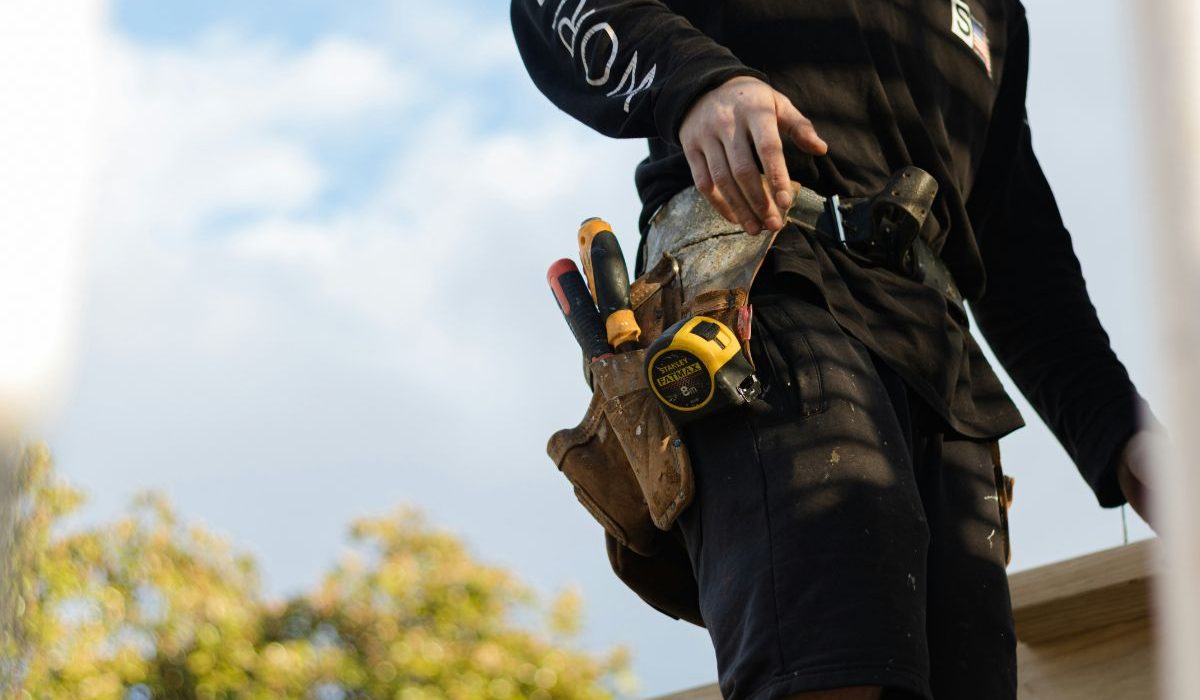
What experienced professionals do differently
The best teams are rarely the loudest. They are usually the ones who spot issues early, ask sensible questions, and do not pretend every job is perfectly straightforward.
That experience shows up in a few ways. First, they understand that quality is built in long before the final finish. They do not just focus on what the client will notice immediately. They pay attention to the parts that support the whole result.
Second, they manage expectations properly. Not with vague promises. Not with polished nonsense. Just clear, honest communication about what is realistic, what needs to happen first, and where decisions matter most.
Third, they stay consistent. Anyone can make the easy bits look decent. The real test is whether the same standard is carried through the awkward areas, the hidden details, the transitions between one stage and the next, and the parts that require patience rather than speed.
That consistency is usually what separates a professional result from one that only photographs well.
What Surrey homeowners should realistically expect
A good result is rarely the fastest result. That does not mean a project should drag on endlessly, far from it. It means quality work usually follows a process, and process takes some discipline.
There will often be some disruption. That comes with the territory. Materials arrive, schedules shift, access needs managing, and not every day feels dramatic or visible. That is normal.
Confusion, though, should not be normal. Homeowners should have a reasonable sense of what is happening, what stage the project is in, and what decisions may be needed from them. You do not need a running commentary every five minutes, but you should not be left guessing either.
This is where transparency counts for more than charm. A polished promise at the start means very little if the process underneath it is shaky. Far better to have clear expectations and steady delivery than a big sales pitch followed by crossed fingers.
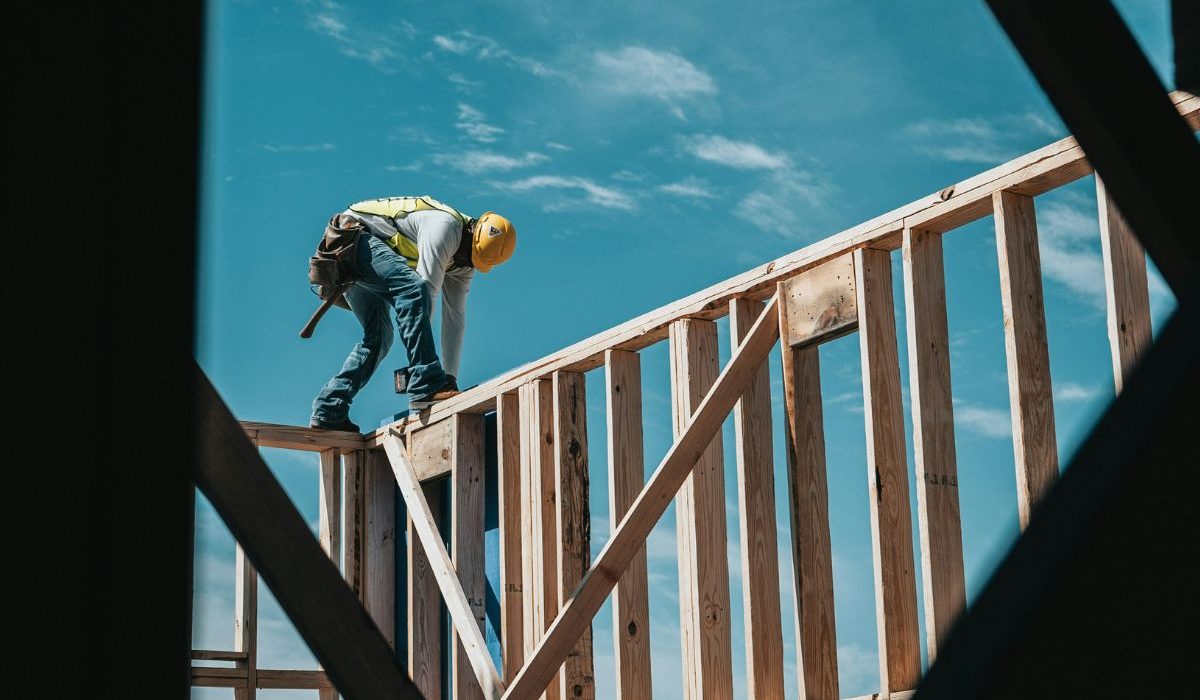
A practical way to judge quality before hiring anyone
If you are trying to assess whether a team understands quality properly, it helps to listen to how they talk about the job.
Do they focus only on the end result, or do they explain the steps needed to get there? Do they mention preparation, sequencing, access, timings, and likely challenges? Can they explain what tends to go wrong and how they avoid it? Those answers usually tell you more than a glossy description ever will.
It is also worth asking practical questions:
What needs to be decided before work begins?
What parts of the project usually affect timescales most?
How are changes handled once the job is underway?
What does a well-prepared project look like before visible work starts?
How is consistency maintained across different stages of the job?
You are not looking for a performance. You are looking for signs that the team understands process, not just price.
For homeowners who want to understand how an experienced team approaches projects in the area, Sutherns LTD shares more about its work through its professional services in Surrey.
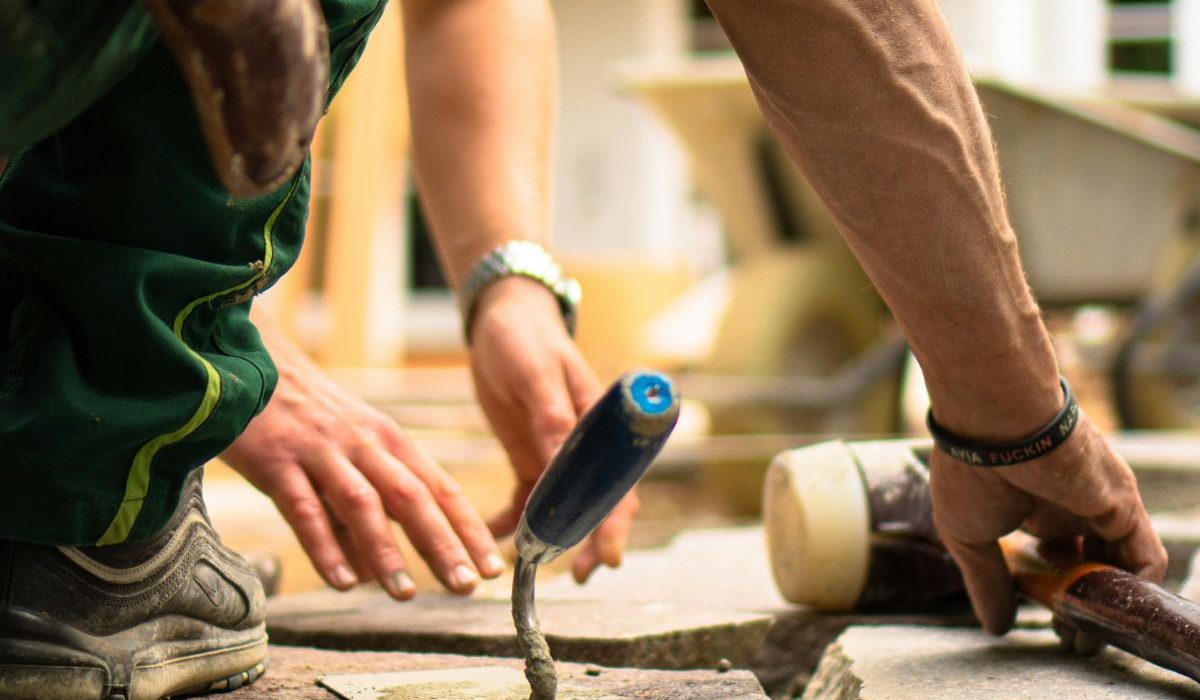
A final thought
Good work is not just about the finish people notice first. It is about the decisions, standards, and preparation that hold everything together once the job is complete.
If you are planning a project in Surrey and want a clearer sense of what to expect, it can help to speak with a team that is happy to talk through the process, the practicalities, and the things that genuinely affect the end result.
Considering a similar project?
Request a Consultation